
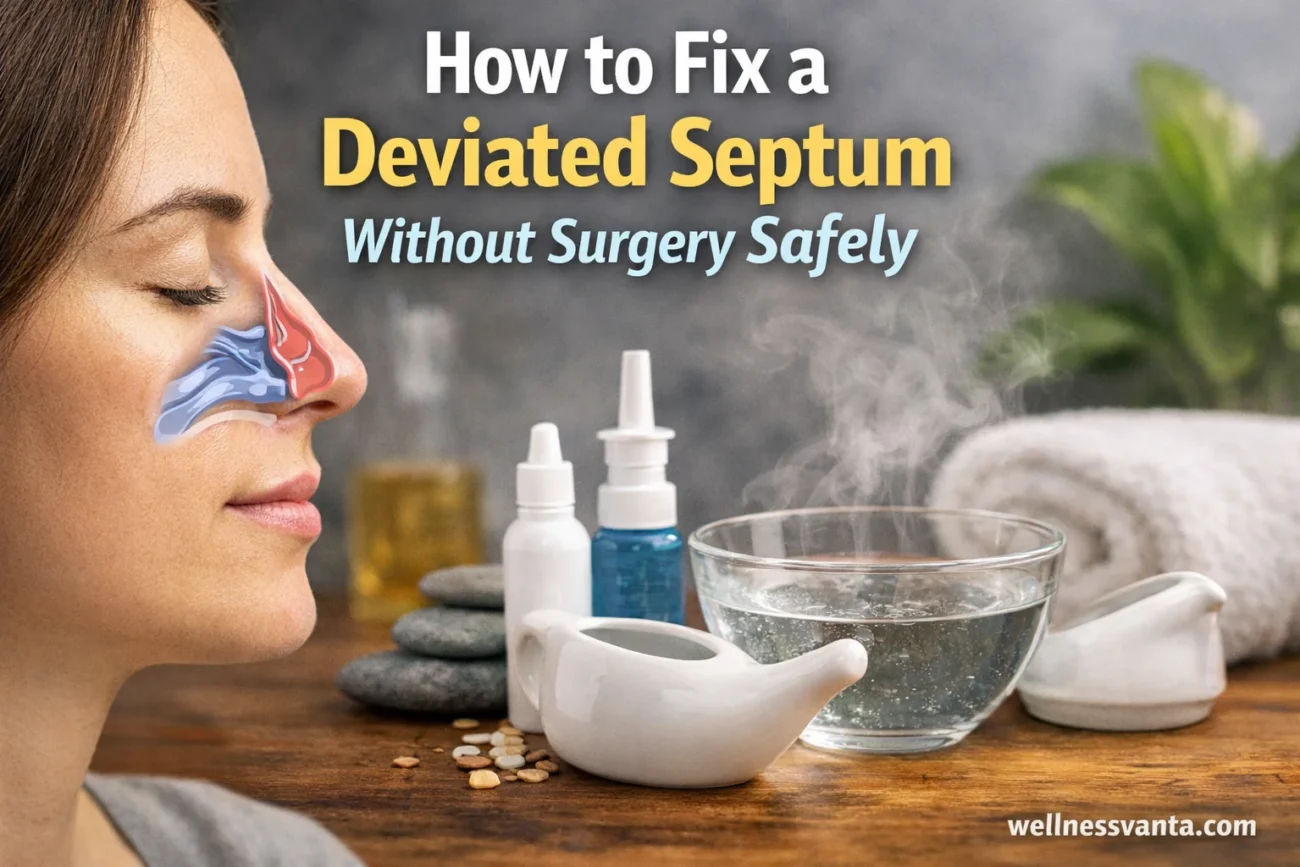
Breathing should feel effortless, but for many people it never does. If you are searching for how to fix a deviated septum without surgery, the short answer is this: you can often relieve symptoms and improve airflow, even though the physical structure usually remains unchanged.
The right combination of medical treatments, home strategies, and lifestyle adjustments can make a significant difference in daily comfort. This guide explains what works, what does not, and how to manage the condition effectively for the long term.
What Is a Deviated Septum
A deviated septum happens when the thin wall between your nasal passages shifts away from the center. This can narrow one side of the nose and disrupt normal airflow.
While mild deviation is extremely common, more pronounced cases can lead to chronic nasal obstruction, breathing difficulty, and recurring sinus issues. Understanding the basics helps you choose the most effective non surgical approach.
Simple Anatomy Explained
The nasal septum is made of cartilage and bone. It separates the left and right nasal passages and supports balanced airflow.
When the septum leans to one side, air cannot move evenly. This imbalance often triggers congestion, dryness, or inflammation in the narrower passage.
How Common It Is
Many people have some degree of deviation without symptoms. Problems usually appear when the misalignment becomes severe enough to affect breathing or sinus drainage.
Recognizing early symptoms helps you start management before complications develop.
Symptoms That Indicate a Deviated Septum
Symptoms vary depending on severity and inflammation levels. Some people experience mild discomfort, while others face persistent breathing problems.
Mild to Moderate Symptoms
- Nasal congestion, often worse on one side
- Difficulty breathing through the nose
- Snoring or noisy breathing during sleep
- Occasional sinus pressure
These symptoms may fluctuate depending on allergies, colds, or environmental triggers.
Symptoms That May Worsen Over Time
- Frequent sinus infections
- Chronic nasal blockage
- Sleep disturbances or mouth breathing
- Reduced sense of smell
When symptoms persist, non surgical management becomes especially important to maintain quality of life.
Causes of a Deviated Septum
Understanding the cause can help determine how well non surgical treatments will work.
Congenital Causes
Some people are born with a septum that develops unevenly. Symptoms may not appear until adolescence or adulthood when facial growth is complete.
Injury or Trauma
Sports injuries, accidents, or even minor impacts can shift the septum. Trauma related deviations often cause more noticeable breathing issues.
Age Related Changes
Over time, cartilage structure may weaken or shift slightly. Aging can also worsen inflammation, making symptoms more noticeable.
Can You Fix a Deviated Septum Without Surgery
This is one of the most common concerns. The structural deviation itself typically cannot be permanently corrected without a procedure. However, IMPORTANT: many people achieve significant relief through non invasive treatments.
Non surgical approaches focus on reducing inflammation, improving airflow, and preventing complications. For mild to moderate cases, this can dramatically improve daily comfort.
Best Non Surgical Treatments for a Deviated Septum
Medical therapies are often the first step because they target the root causes of congestion and inflammation.
Nasal Steroid Sprays
These sprays reduce swelling inside the nasal passages. Less inflammation means more space for airflow.
Consistent use is key, as effects build gradually over several days or weeks.
Antihistamines
If allergies contribute to congestion, antihistamines can help control symptoms. They reduce mucus production and irritation inside the nasal lining.
Decongestants
Decongestants shrink swollen blood vessels, offering temporary relief from blockage. They are most effective for short term use during flare ups.
Saline Nasal Irrigation
Rinsing the nasal passages with a saline solution removes irritants and excess mucus. This simple technique improves airflow and supports nasal hygiene.
Nasal Strips and Dilators
External strips or internal dilators physically open the nasal passages. They are especially helpful during sleep or exercise.
Natural and Home Remedies for Symptom Relief
Home strategies play a valuable role in daily management. While they do not change the septum’s position, they can ease breathing discomfort.
Steam Inhalation
Warm steam helps loosen mucus and soothe irritated tissues. Regular steam sessions can reduce temporary congestion and sinus pressure.
Humidifiers
Dry air can worsen irritation inside the nose. Using a humidifier keeps the nasal lining moist and supports comfortable breathing.
Sleep Position Adjustments
Sleeping with the head slightly elevated may reduce nighttime congestion. Many people notice improved breathing when they avoid lying on the more blocked side.
Breathing Techniques That May Improve Airflow
Targeted breathing exercises can strengthen nasal airflow and improve oxygen intake.
Nasal Breathing Practice
Slow, controlled breathing through the nose encourages airflow adaptation. Over time, this may reduce reliance on mouth breathing.
Posture and Airway Alignment
Good posture helps keep the airway open. Sitting upright and keeping the neck aligned can improve breathing efficiency throughout the day.
Short Quote:
“Small daily breathing habits often lead to noticeable improvements in comfort.”
Lifestyle Changes That Support Long Term Management
Lifestyle plays a major role in symptom control. Small adjustments can reduce inflammation and prevent flare ups.
Allergy Management
Avoiding known allergens such as dust or pollen can significantly reduce congestion. Air purifiers and regular cleaning help maintain a healthier environment.
Hydration
Drinking enough water keeps mucus thin and easier to clear from the nasal passages.
Avoiding Irritants
Smoke, pollution, and strong chemicals can worsen nasal inflammation. Limiting exposure supports long term nasal health.
When Non Surgical Treatments May Not Be Enough
Some situations require closer medical evaluation. Severe structural deviation may limit how effective non surgical options can be.
Signs that symptoms may need advanced care include persistent sinus infections, severe nasal obstruction, or breathing problems during sleep.
In such cases, a healthcare professional can assess whether additional treatment is necessary.
When to See an ENT Specialist
Consulting an ENT specialist helps confirm diagnosis and evaluate severity. Early evaluation can prevent complications.
Diagnostic Methods
- Physical nasal examination
- Endoscopic evaluation
- Imaging if required
A professional assessment ensures you receive the most appropriate management plan.
Risks of Leaving a Deviated Septum Untreated
Ignoring persistent symptoms can lead to long term issues that affect overall well being.
Potential Complications
- Chronic sinus infections
- Poor sleep quality
- Frequent nosebleeds
- Ongoing breathing difficulty
Managing symptoms early helps prevent these problems from developing.
Surgical vs Non Surgical Treatment Comparison
| Factor | Non Surgical Approach | Surgical Correction |
|---|---|---|
| Goal | Reduce symptoms | Correct structure |
| Recovery Time | Minimal | Several weeks |
| Effectiveness | Moderate | High |
| Cost | Lower | Higher |
| Long Term Outcome | Symptom control | Permanent change |
This comparison helps clarify expectations and supports informed decision making.
Prevention and Nasal Health Tips
While not all deviations can be prevented, certain habits help protect nasal health and reduce symptom severity.
Protective Strategies
- Use protective gear during sports
- Treat allergies early
- Maintain good indoor air quality
- Practice regular nasal hygiene
These measures support healthy airflow and reduce irritation.
Case Study Example
A 34 year old office worker experienced chronic nasal blockage and poor sleep. Instead of surgery, they followed a routine that included saline rinses, nasal sprays, and humidifier use.
Within three months, breathing improved significantly and sinus infections became less frequent. This highlights how consistent management can deliver meaningful results.
Key Takeaways
- Non surgical methods focus on reducing inflammation and improving airflow
- Consistency is essential for noticeable improvement
- Lifestyle changes play a major role in long term comfort
- Professional evaluation ensures proper diagnosis
- Symptom management can greatly enhance quality of life
Conclusion
Learning how to fix a deviated septum without surgery is really about understanding what can be controlled and what cannot. While the physical structure usually remains unchanged, the right mix of treatments, daily habits, and medical guidance can dramatically improve breathing comfort.
For many people, non invasive management provides enough relief to live comfortably without surgical intervention. The key is staying consistent, monitoring symptoms, and seeking professional advice when needed.
Frequently Asked Questions
Find quick answers to common questions
Yes, cold or dry air can irritate the nasal lining and increase congestion, making breathing feel more difficult.
Most people can exercise normally, but using nasal strips or breathing techniques may improve comfort during workouts.
In some cases symptoms may change as facial structures develop, but structural deviation usually remains.
Stress may increase inflammation and muscle tension, which can worsen breathing discomfort temporarily.
Air purifiers reduce allergens and irritants indoors, which can support clearer breathing over time.
A balanced diet rich in anti inflammatory foods may help reduce overall inflammation levels in the body.